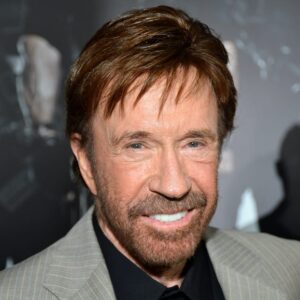
Olu Jacobs was one of the most respected figures in Nigerian acting. His career stretched across theatre, television and film, taking him from Nigeria to the United Kingdom and back to the Nigerian entertainment industry, where he became one of Nollywood’s most recognisable veteran actors.
Born Oludotun Baiyewu Jacobs, he became known for a commanding screen presence, a distinctive voice and an ability to portray characters ranging from traditional rulers and political figures to businessmen, fathers and complicated antagonists.
Jacobs died on September 16, 2026, at the age of 84. His death marked the end of a career that had lasted for more than five decades.
Early life
Olu Jacobs grew up in Kano, where his interest in acting developed after watching performances by Hubert Ogunde. Rather than treating acting as a passing interest, he eventually pursued professional training and travelled to Britain.
He trained at the Royal Academy of Dramatic Art in London, one of the world’s best-known drama schools. That training became an important foundation for the professional discipline that later became associated with his work.
Olu Jacobs’ career in Britain
Before becoming a Nollywood household name, Jacobs had already established himself professionally outside Nigeria.
He appeared in British television productions, stage performances and international films during the 1970s and 1980s. This period exposed him to a different production environment and gave him experience that would later become valuable when he returned to Nigeria.
His international credits included appearances in productions such as The Dogs of War, The Last Days of Patton, The Tomorrow People and other television and film projects.
Return to Nigerian entertainment
Jacobs eventually became an important part of Nigeria’s emerging film industry.
As Nollywood developed from the home-video era into a larger commercial film industry, actors with Jacobs’ experience helped give Nigerian productions a more professional dramatic tradition.
He appeared in a large number of Nigerian films and television productions, often playing authoritative characters. His ability to communicate power through voice, posture and facial expression made him particularly effective in roles involving traditional leadership, family authority, business and politics.
Some of the productions associated with his career include Blood Money, Ashanti, The Royal Hibiscus Hotel, Dry, Citation and numerous other Nigerian and international projects.
Olu Jacobs and Joke Silva
Jacobs was married to fellow Nigerian actress Joke Silva. Their relationship became one of the most prominent partnerships in Nigeria’s entertainment industry.
Beyond their work as actors, the pair were involved in building businesses around theatre and film. They were co-founders of the Lufodo Group, an entertainment company involved in production and related creative activities.
Their partnership therefore extended beyond celebrity status. Together, they became part of the generation that helped professionalise Nigeria’s modern theatre and film ecosystem.
Awards and recognition
Olu Jacobs received major recognition during his career, including the national honour of Member of the Order of the Federal Republic (MFR).
His contribution was recognised not only through awards but also through the number of younger actors who regarded him as an influence.
For many viewers, his importance was not attached to a single film. It came from the consistency of his work across generations of Nigerian cinema.
What made Olu Jacobs different?
One reason Jacobs remained relevant for so long was his ability to work across different forms of acting.
He had theatre training, experience in British television and international productions, and extensive work in Nollywood. This combination gave him a career that crossed several eras of African entertainment.
He also demonstrated that an actor could remain relevant without being restricted to one type of character.
Olu Jacobs’ legacy
Jacobs’ death in 2026 generated tributes from government officials, actors, filmmakers and members of the public.
President Bola Ahmed Tinubu described him as one of Nigeria’s distinguished actors and acknowledged his contribution to the development and professionalisation of the entertainment industry.
His legacy is therefore larger than his filmography. Olu Jacobs represented a bridge between traditional theatre, international acting and modern Nigerian cinema.
For younger actors, his career provides an example of how professional training, discipline and longevity can create influence that lasts well beyond individual performances.
Frequently asked questions
How old was Olu Jacobs when he died?
Olu Jacobs was 84 years old when he died on September 16, 2026.
What was Olu Jacobs known for?
He was known for his extensive work in theatre, television and film, particularly his long career in Nigerian cinema.
Was Olu Jacobs married?
Yes. He was married to Nigerian actress Joke Silva.
Where did Olu Jacobs train as an actor?
He trained at the Royal Academy of Dramatic Art in London.
What was Olu Jacobs’ contribution to Nollywood?
Beyond his acting roles, Jacobs helped raise the professional profile of Nigerian film and theatre through his experience, longevity and involvement in production.